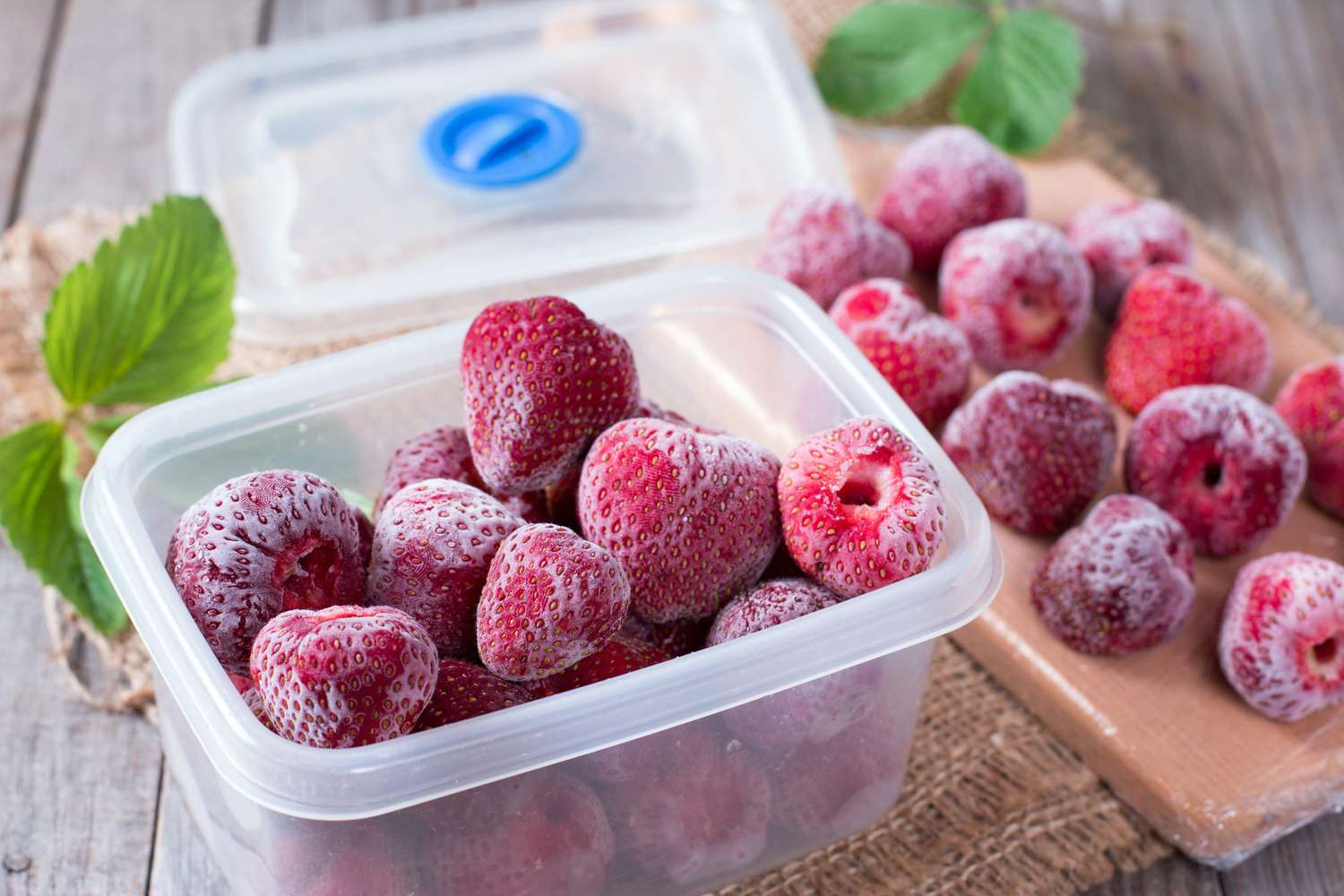
How to Freeze Strawberries: Simple Steps for Berry Preservation
The vibrant red hue and sweet, juicy burst of fresh strawberries are quintessential signs of warmer months. Whether you've indulged in a "U-Pick-Em" farm adventure, brought home a bountiful haul from the farmers' market, or simply stocked up on a great deal, facing an abundance of strawberries often leads to a common dilemma: how to enjoy them all before they lose their freshness? The good news is, you can easily extend the season's joy by learning
how to freeze strawberries. This simple preservation method ensures that none of those luscious berries go to waste, allowing you to savor their taste in smoothies, desserts, and more, any time of the year.
Freezing strawberries is not just about preventing spoilage; it's about locking in that peak-season flavor and nutrient content. Imagine blending a vibrant strawberry smoothie in the dead of winter, or whipping up a quick strawberry crumble on a whim. With properly frozen strawberries, these delights are always within reach. This comprehensive guide will walk you through the straightforward steps, offering two primary methods to suit your needs, along with expert tips to ensure your berries emerge from the freezer as close to perfect as possible.
Why Freeze Strawberries? The Benefits Beyond Preservation
Beyond simply saving your berries from going bad, freezing strawberries offers a multitude of advantages that make it a highly worthwhile endeavor for any home cook or berry enthusiast.
*
Extend the Season: Strawberry season is notoriously fleeting. Freezing allows you to capture that peak freshness and enjoy the taste of summer for months to come, often up to six months or even a year with proper technique. This directly helps you
Extend Strawberry Season: Freeze Berries for Up to a Year.
*
Reduce Food Waste: If your eyes were bigger than your stomach at the berry patch, freezing is the perfect solution to ensure every delicious berry is utilized. It's an environmentally conscious choice that saves you money in the long run.
*
Convenience at Your Fingertips: Having a stash of pre-prepped frozen strawberries makes meal prep and spontaneous baking incredibly easy. No need to hull and wash berries when you're rushing to make a morning smoothie or a last-minute dessert.
*
Versatility in Culinary Creations: Frozen strawberries are incredibly versatile. They're perfect for smoothies, sauces, jams, pies, crumbles, muffins, and even cocktails. While their texture changes slightly after thawing, making them less ideal for fresh salads, they excel in cooked or blended applications.
*
Cost Savings: Buying strawberries in bulk when they're in season and freezing them can be significantly more economical than purchasing them out of season, where prices soar and quality often dips.
Preparation is Key: Setting the Stage for Freezing Success
Before you even think about putting your strawberries in the freezer, proper preparation is crucial. These initial steps lay the foundation for successful freezing, ensuring your berries maintain their quality, flavor, and texture as much as possible.
1.
Select the Best Berries: Start with fresh, ripe, and firm strawberries. Avoid any berries that are bruised, mushy, moldy, or underripe. While you can freeze slightly imperfect berries, picking the best ones will yield superior results in terms of flavor and texture once thawed or cooked.
2.
Wash Thoroughly: Place your strawberries in a colander and rinse them gently under cool running water. Avoid soaking them, as this can make them waterlogged and mushy. Ensure all sides are rinsed to remove any dirt, pesticides, or debris.
3.
Dry Completely: This is arguably one of the most critical steps. Excess moisture on the surface of the berries will turn into ice crystals in the freezer, leading to freezer burn and a more degraded texture. After washing, spread the berries in a single layer on clean kitchen towels or paper towels. Gently pat them dry, then allow them to air dry for at least 15-30 minutes, turning them occasionally, until they are completely dry to the touch. This step prevents them from clumping together and ensures better quality.
4.
Hull the Strawberries: Hulling refers to removing the green leafy cap (calyx) and the small white core underneath. You can do this with a small paring knife, inserting it at an angle around the stem and twisting it out, or by using a dedicated strawberry huller. Some people find that a drinking straw pushed through the bottom of the berry can also effectively remove the hull.
5.
Cut (Optional, but Recommended for Specific Uses): You have the option to freeze your strawberries whole, sliced, or quartered.
*
Whole: Best if you want versatile berries that can be used in various applications, or if you plan to crush them directly into sauces or smoothies.
*
Sliced or Quartered: Ideal if you know you'll primarily be using them in smoothies, baking, or sauces, as smaller pieces make blending easier and thaw faster. If you're wondering whether to
Freeze Strawberries: Whole, Sliced, or With Sugar for Best Results, slicing offers a good middle ground for many uses.
Two Effective Methods for Freezing Strawberries
Once your strawberries are washed, dried, and hulled, you're ready to freeze them. There are two main methods, each with its own advantages.
Method 1: The Tray Freeze (Dry Pack / Unsweetened)
This is the most common and recommended method for achieving individually frozen strawberries that won't clump together in the bag. It's excellent for smoothies, where you just want to grab a handful of berries.
1.
First Freeze (Flash Freeze): Arrange the whole or cut strawberries in a single, even layer on a baking sheet. For easy removal and to prevent sticking, line the baking sheet with parchment paper or a silicone baking mat. This step is crucial for preventing the berries from freezing into a solid block. Ensure the berries are not touching each other too much.
2.
Freeze Overnight (or at Least 4 Hours): Place the baking sheet in the freezer. Allow the strawberries to freeze completely solid. This usually takes at least 4 hours, but leaving them overnight ensures they are thoroughly frozen through.
3.
Second Freeze (Long-Term Storage): Once the strawberries are frozen solid, quickly transfer them from the baking sheet into freezer-safe bags or airtight containers. Press out as much air as possible from the bags to prevent freezer burn.
4.
Label and Store: Label each bag or container with the contents ("Frozen Strawberries") and the date. Store flat in the freezer. Properly frozen strawberries using this method can last for up to 6-8 months, maintaining excellent quality. While they might be safe to eat beyond that, their color and flavor may start to diminish.
Method 2: Dry Sugar Pack (for Enhanced Color and Flavor)
This method involves coating the berries in sugar before freezing. It helps preserve the color, retains flavor, and significantly reduces the berries from becoming too watery or mushy upon thawing, making them particularly good for baking or desserts where texture matters.
1.
Prepare the Berries: Wash, dry, and hull your strawberries as described in the "Preparation is Key" section. For this method, slicing or quartering the berries is highly recommended, as it allows the sugar to coat them more effectively.
2.
Sugar Coat: Transfer the sliced or quartered berries into a large bowl. Sprinkle sugar over the strawberries. A good general ratio is about ½ cup of granulated sugar for every four cups (or one quart) of strawberries.
3.
Gently Stir to Coat: Carefully stir the strawberries with a spoon or your hands to ensure they are evenly coated with sugar. The sugar will begin to draw out some of the berries' natural juices, forming a light syrup. Let them sit for a few minutes until the sugar starts to dissolve.
4.
Pack into Containers: Immediately transfer the sugar-coated strawberries and any accumulated juice into freezer-safe containers or heavy-duty freezer bags. Leave about ½ inch of headspace in containers to allow for expansion.
5.
Label and Freeze: Label with the contents, date, and indicate that sugar was added (and how much). Store in the freezer. Strawberries frozen with the dry sugar pack method can retain their peak quality for up to 9-12 months. Remember to adjust the sugar content in your recipes accordingly when using these sweetened berries.
Tips for Maximizing Your Frozen Strawberry Haul
To get the most out of your frozen strawberries, consider these additional tips:
*
Vacuum Sealing: For ultimate preservation against freezer burn and to extend shelf life even further, consider vacuum sealing your dry-packed or sugar-packed strawberries. This removes almost all air, greatly improving long-term quality.
*
Freezer Organization: Store your bagged strawberries flat until frozen solid, then you can stack them vertically like files to save space and keep your freezer organized.
*
Uses for Your Stash:
*
Smoothies: The most popular use! Simply toss frozen berries directly into your blender with other ingredients.
*
Sauces and Coulis: Gently simmer frozen strawberries with a touch of sugar and lemon juice for a quick sauce over pancakes, ice cream, or cheesecake.
*
Baking: Incorporate frozen (not thawed) strawberries into muffins, quick breads, crumbles, or pies. Thawing them first can add too much moisture.
*
Jams and Preserves: They're excellent for making homemade jams.
*
Infused Water or Cocktails: Add a few frozen berries to your water bottle or a glass of sparkling water for a refreshing, flavorful twist.
*
Thawing Instructions: If a recipe calls for thawed strawberries, transfer them to a bowl and let them sit in the refrigerator for several hours or overnight. Be aware that thawed strawberries will be softer and release more liquid than fresh ones. For most cooked applications, you can use them directly from the freezer.
Conclusion
Freezing strawberries is an incredibly simple yet effective way to capture the essence of summer and enjoy these delicious berries all year long. By following these straightforward steps for proper preparation and choosing between the tray freeze for versatility or the sugar pack for enhanced flavor and texture, you can build a treasure trove of crimson goodness in your freezer. No longer will you have to lament a dwindling strawberry season or watch precious berries go to waste. Embrace the ease of preserving, and unlock a world of culinary possibilities with your perfectly frozen, homegrown or market-bought strawberries.