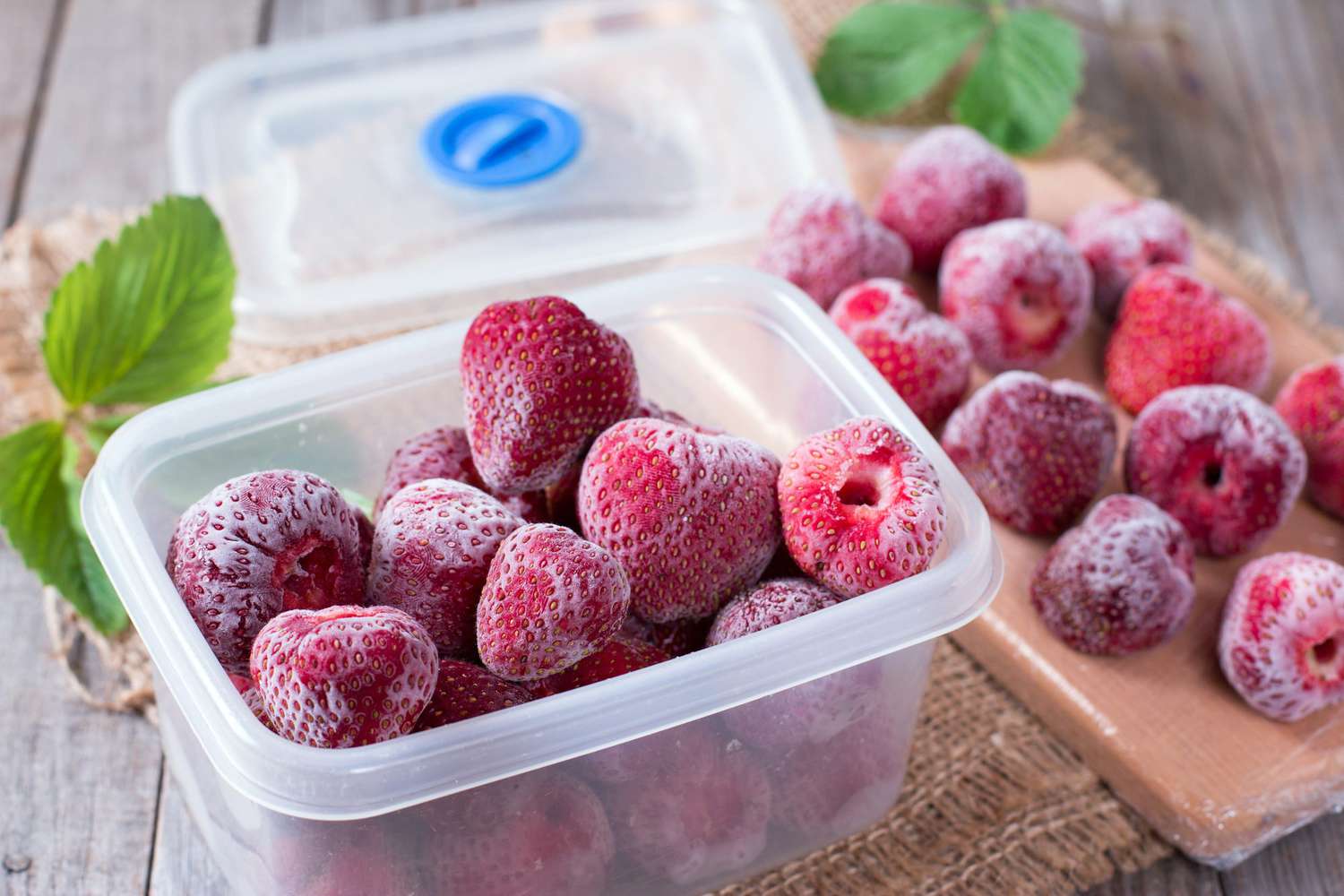
Freeze Strawberries: Whole, Sliced, or With Sugar for Best Results
The arrival of strawberry season is a true delight, signaling warmer days and an abundance of one of nature's sweetest treasures. However, this fleeting period often leaves us with a difficult choice: savor them all immediately, or watch a significant portion succumb to spoilage in the fridge. Thankfully, there's a simple, effective solution to capture that summery goodness all year long: freezing them! Learning how to freeze strawberries effectively means you can enjoy their vibrant flavor and nutritional benefits in smoothies, desserts, and sauces long after the fresh harvest has passed. Whether you prefer them whole, conveniently sliced, or packed with a touch of sugar for optimal texture, mastering the art of freezing strawberries is an invaluable skill for any home cook.
This comprehensive guide will walk you through the best methods for freezing strawberries, ensuring you get the perfect results every time. We'll explore the advantages of different preparations and provide practical tips to maintain their peak flavor and texture.
Why Freeze Strawberries? Preserve Summer's Sweetness All Year Round
Freezing strawberries isn't just about preventing waste; it's about extending the joy of peak-season produce. When strawberries are in abundance, often at their most flavorful and affordable, freezing allows you to capitalize on this bounty. Imagine blending a vibrant strawberry smoothie in the dead of winter, or whipping up a delicious crumble with berries that taste as fresh as if they were just picked. This preservation method offers incredible versatility and convenience.
- Long-Term Storage: Fresh strawberries have a notoriously short shelf life, often lasting only a few days in the refrigerator. Freezing extends their usability for six months to a year.
- Reduced Food Waste: Don't let that extra pint from the farmer's market go to waste. Freezing ensures every delicious berry finds a purpose.
- Convenience: Having pre-prepped frozen strawberries on hand makes quick work of smoothies, sauces, and baked goods. No more last-minute grocery runs for fresh berries out of season.
- Nutritional Value: Freezing locks in many of the vitamins, minerals, and antioxidants found in fresh strawberries, allowing you to enjoy their health benefits year-round.
Essential Preparation: Getting Your Berries Ready for the Freezer
Regardless of which freezing method you choose, proper preparation is the cornerstone of successful strawberry preservation. Taking a few extra minutes at this stage will significantly impact the quality of your frozen berries.
1. Wash Gently and Thoroughly
Place your strawberries in a colander and rinse them under cool, running water. Avoid soaking them, as this can cause them to absorb too much water and become mushy. Gently agitate them with your hands to remove any dirt or debris. It's crucial to wash them before hulling to prevent water from seeping into the exposed flesh.
2. Dry Completely
This step is often overlooked but is absolutely critical. Excess moisture can lead to ice crystals forming around the berries, resulting in freezer burn and a less desirable texture upon thawing. After washing, spread the strawberries in a single layer on a clean kitchen towel or paper towels. Allow them to air dry for at least 30 minutes, or gently pat them dry with additional towels. They should feel completely dry to the touch before moving on.
3. Hull the Strawberries
Hulling refers to removing the green leafy cap and the small, white core just beneath it. There are a few ways to do this:
- Paring Knife: Insert a small paring knife at an angle around the stem, then twist and lift out the hull.
- Strawberry Huller: A dedicated huller tool makes this task quick and easy. Simply insert, twist, and pull.
- Straw Method: For a fun trick, push a drinking straw through the bottom of the strawberry until the hull pops out the top.
Once hulled, your strawberries are ready for the next step, whether you plan to freeze them whole, sliced, or with sugar.
How to Freeze Strawberries: Whole, Sliced, or Sweetened
The best method for freezing your strawberries depends largely on how you intend to use them later. Each approach offers distinct advantages.
Method 1: Freezing Whole or Sliced (Unsweetened) – The Flash Freeze Technique
This is the most versatile method, ideal if you're unsure how you'll use your frozen berries. Freezing them unsweetened allows you to incorporate them into both sweet and savory dishes, and the flash-freeze technique prevents them from clumping together in the freezer.
- Prepare Berries: Wash, dry, and hull your strawberries as described above.
- Slice (Optional): If you plan to use the strawberries in smoothies or quick-cooking recipes, slicing them now (into halves or quarters) will save you time later and make them easier for your blender to handle. For pies or crumbles, whole or halved berries often work well.
- Flash Freeze: Arrange the whole or cut strawberries in a single layer on a baking sheet lined with parchment paper or a silicone baking mat. This single layer is crucial to prevent them from freezing into a solid block. Place the baking sheet in the freezer for at least 4 hours, or preferably overnight, until the berries are completely solid.
- Second Freeze (Transfer): Once fully frozen, transfer the solid strawberries from the baking sheet into freezer-safe bags or airtight containers. Squeeze out as much air as possible from bags to prevent freezer burn.
- Label and Store: Label the bags or containers with the date and contents. Store flat in the freezer.
This flash-freezing method ensures that each berry freezes individually, making it incredibly easy to grab just the amount you need without having to chip away at a solid block. For more detailed instructions on this fundamental approach, see our guide on How to Freeze Strawberries: Simple Steps for Berry Preservation.
Method 2: Freezing Strawberries with Sugar – The Dry Pack Method
For those who primarily intend to use their frozen strawberries in desserts, baking, or jams, freezing them with sugar (often called the "dry pack" method) offers distinct advantages. The sugar helps to draw out moisture, creating a syrup that protects the berries' texture, color, and flavor, and can prevent them from becoming overly watery or mushy when thawed.
- Prepare and Slice: Wash, dry, and hull your strawberries. For this method, slicing or quartering the berries is recommended to allow the sugar to penetrate more effectively. Transfer the cut berries to a large bowl.
- Add Sugar: Sprinkle granulated sugar over the strawberries. A general guideline is about ½ cup of sugar for every 4 cups (or 1 quart) of strawberries. You can adjust this slightly based on the sweetness of your berries and your personal preference, but avoid adding too little as the sugar plays a role in preservation.
- Gently Stir: Gently toss the strawberries to coat them evenly with sugar. Let them sit for a few minutes, stirring occasionally, until the sugar begins to dissolve and a light syrup forms. This process helps to extract some of the fruit's natural moisture.
- Package: Immediately transfer the sugar-coated strawberries and their syrup into freezer-safe bags or rigid airtight containers. If using bags, press out as much air as possible before sealing. Leave a little headspace (about ½ inch) in containers to allow for expansion.
- Label and Freeze: Label with the contents and date, then place directly into the freezer.
When using sugar-packed strawberries in recipes, remember to adjust the amount of added sugar in your dish accordingly.
Optimal Storage and Shelf Life for Frozen Strawberries
Proper storage is just as important as proper preparation to ensure your frozen strawberries maintain their quality. Both methods outlined above yield berries that can be stored for an impressive duration.
- Airtight is Key: Whether you use freezer bags or rigid containers, ensure they are truly airtight. Exposure to air is the primary cause of freezer burn, which dehydrates the fruit and negatively impacts flavor and texture.
- Label and Date: Always label your packages with the contents (e.g., "Whole Strawberries - Unsweetened" or "Sliced Strawberries - Sugared") and the date they were frozen. This helps you track their freshness.
- Shelf Life: Frozen strawberries generally maintain excellent quality for about 6 months. While they can remain safe to eat for up to 1 year, their color and flavor may start to diminish after the 6-month mark. For tips on maximizing their storage potential, refer to our article on how to Extend Strawberry Season: Freeze Berries for Up to a Year.
Place bags flat in the freezer until solid, then they can be stacked to save space. Rigid containers should be placed upright until frozen, then stacked.
Using Your Frozen Strawberry Bounty
One of the best things about having a stash of frozen strawberries is their sheer versatility. Here are some ideas and tips for using them:
- Smoothies: This is arguably the most popular use. Frozen strawberries add natural thickness and a refreshing chill, eliminating the need for ice. Just toss them directly into your blender with other ingredients.
- Sauces and Purees: Thaw them slightly, then blend for a quick coulis for pancakes, ice cream, or yogurt.
- Baking: For pies, crumbles, muffins, or tarts, you can often add frozen strawberries directly to the batter or filling. If using unsweetened berries, you might need to add a touch more sugar to your recipe. If using sugar-packed berries, reduce the recipe's sugar significantly. Keep in mind that frozen berries release more moisture during baking, so you might need to adjust baking times or add a thickener like cornstarch or flour.
- Jams and Preserves: Frozen strawberries are perfect for making homemade jam. You can use them directly from the freezer.
- Cocktails and Drinks: Muddle them for cocktails, or use them as fruity ice cubes in water, lemonade, or iced tea.
Thawing Tips: For most uses, you don't need to fully thaw frozen strawberries. If a recipe calls for thawed berries, transfer them to a bowl and let them sit in the refrigerator for several hours or overnight. Be aware that thawed unsweetened strawberries will likely be softer than fresh ones, which is normal. Sugar-packed berries tend to retain a slightly better texture upon thawing due to the osmotic effect of the sugar.
Freezing strawberries is a wonderfully simple and rewarding way to preserve the fleeting magic of summer. By following these straightforward methods – whether you opt for whole, sliced, or sugar-packed berries – you can confidently stock your freezer and ensure a supply of vibrant, flavorful strawberries for months to come. So, next time you find yourself with an abundance of these crimson jewels, don't hesitate to give them a frosty future!
