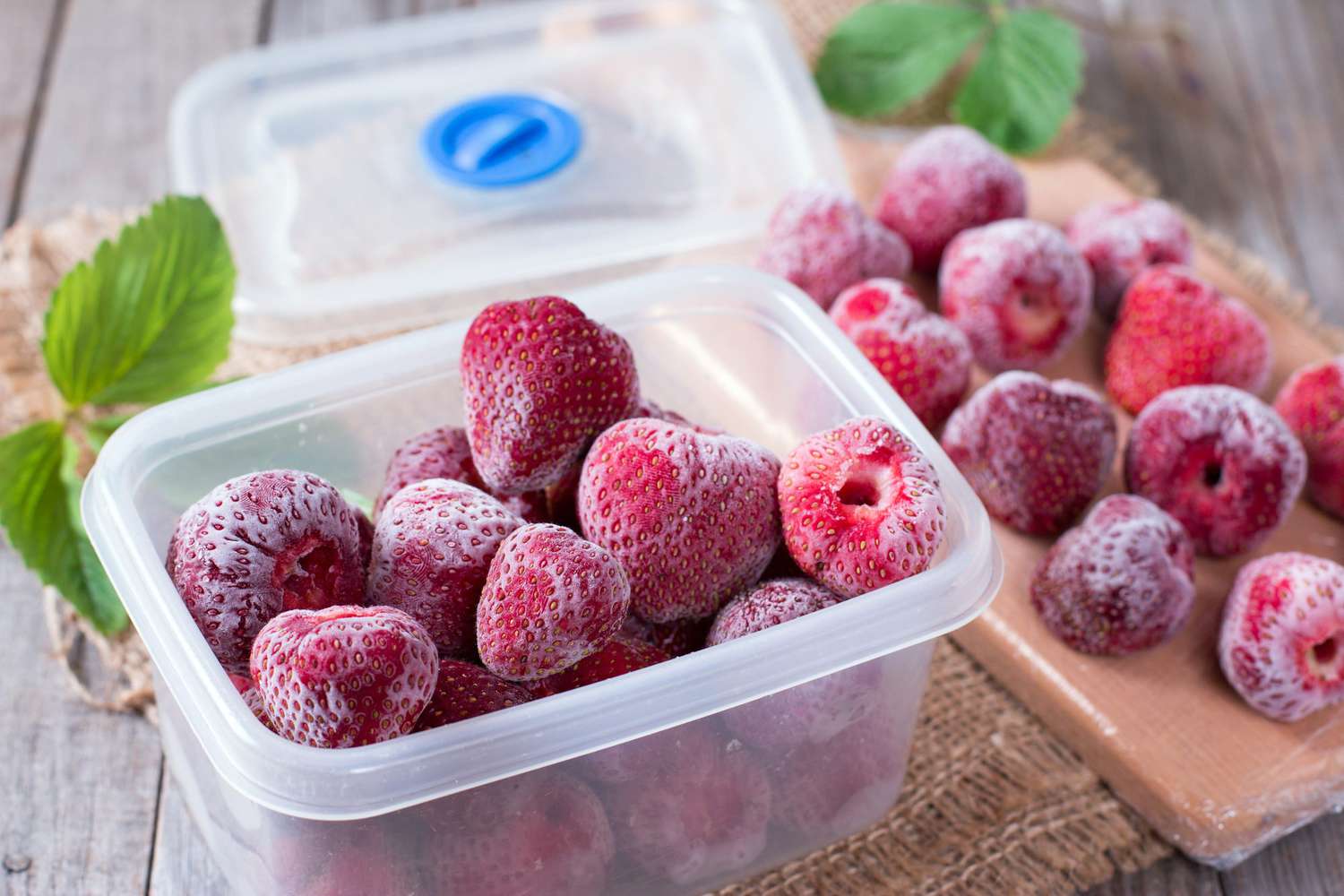
Extend Strawberry Season: Freeze Berries for Up to a Year
The fleeting joy of strawberry season is a familiar bittersweet symphony for many home cooks and fruit enthusiasts. Those vibrant, juicy crimson berries, bursting with natural sweetness, are a definitive sign of warmer months. Yet, just as quickly as they arrive, they seem to vanish, leaving us to lament their absence for the rest of the year. Often, a trip to the farmers' market or a "U-Pick-'Em" farm can leave you with an abundance of these luscious fruits – more than you could possibly consume before they start to soften and spoil in your fridge. But what if you could capture that peak-season freshness and enjoy it months down the line?
Learning
how to freeze strawberries is a game-changer, transforming a seasonal treat into a year-round pantry staple. Freezing is arguably the easiest and most effective way to preserve your strawberry haul, preventing waste and ensuring you always have a taste of summer on hand for smoothies, desserts, or a simple snack. With just a few simple steps, you can secure a frozen treasure-trove of strawberries, ready to elevate your culinary creations anytime you desire.
Why Freezing Strawberries is Your Best Preservation Strategy
Beyond simply preventing waste, freezing strawberries offers a multitude of benefits that make it an invaluable home preservation technique:
*
Locks in Peak Flavor and Nutrients: Freezing berries at their ripest ensures you capture their optimal flavor and nutritional value. Unlike canning, freezing requires no added heat, which can sometimes degrade delicate vitamins.
*
Extends Enjoyment: You can enjoy the taste of fresh strawberries for up to a year, far beyond their typical refrigerator lifespan of a few days.
*
Unmatched Versatility: Frozen strawberries are incredibly versatile. They blend beautifully into smoothies, break down perfectly for sauces and jams, and can be baked into pies, muffins, and crumbles.
*
Cost-Effective: Buying strawberries in bulk when they are in season and at their lowest price, then freezing them, is a smart economic move. You save money compared to buying them out of season or relying on pre-frozen bags.
*
Convenience: Having pre-prepped, ready-to-use strawberries in your freezer saves time and effort when you're whipping up a recipe.
Your Step-by-Step Guide: How to Freeze Strawberries Successfully
The key to perfectly frozen strawberries that maintain their flavor, texture, and vibrant color lies in a few crucial steps. Follow this guide to prepare your berries for long-term storage. For more in-depth methods and comparisons, explore our article on
Freeze Strawberries: Whole, Sliced, or With Sugar for Best Results.
1. Wash and Thoroughly Dry Your Berries
This initial step is foundational. Start by gently washing your strawberries under cool, running water in a colander. This removes any dirt, pesticides, or debris. Avoid soaking them, as they can absorb too much water and become mushy.
After washing, the most critical part is
drying them completely. Excess moisture on the berries will turn into ice crystals in the freezer, leading to freezer burn and a less appealing texture when thawed. Spread the washed berries in a single layer on clean kitchen towels or paper towels and allow them to air dry for at least 30 minutes, or gently pat them dry. Ensuring they are bone-dry is essential for preventing clumping and preserving quality.
2. Hull the Strawberries
Hulling involves removing the green leafy cap and the small, slightly tough white core just beneath it. While some prefer to leave the hull on for certain applications, removing it prior to freezing offers several advantages:
* It saves space in your freezer bags.
* It removes the inedible, slightly bitter part of the berry.
* The berries are ready to use immediately upon thawing.
You can hull strawberries with a small paring knife by cutting a conical shape around the stem, or use a dedicated strawberry huller for quick and easy removal.
3. To Slice or Not to Slice? Prepping for Your Needs
This step is entirely optional but highly recommended depending on how you plan to use your frozen strawberries.
*
Freeze Whole: If you intend to use them for decorative purposes, in cocktails, or prefer the aesthetic of whole berries, you can certainly freeze them as they are after hulling. They're also great whole for smoothies if your blender is powerful enough.
*
Slice or Quarter: For most applications, slicing or quartering your strawberries is preferable. Smaller pieces blend more easily into smoothies, thaw faster, and are easier to incorporate into baked goods, jams, or sauces. If your primary use is smoothies, pre-slicing will make your blender's job significantly easier and result in a smoother drink.
4. The Essential Flash Freeze (First Freeze)
This is the secret weapon against clumpy, solid blocks of frozen strawberries. Flash freezing ensures that each berry freezes individually, allowing you to grab just the amount you need without thawing the entire bag.
* Arrange your whole or cut strawberries in a single, even layer on a baking sheet.
* Line the baking sheet with parchment paper or a silicone baking mat to prevent sticking.
* Place the baking sheet in the freezer, uncovered, for at least four hours, or preferably overnight, until the berries are completely solid. This initial freeze is vital for maintaining their individual form.
5. Long-Term Storage: The Second Freeze
Once your strawberries are completely frozen solid from the flash freeze, it's time to transfer them to their long-term storage containers.
* Carefully transfer the frozen berries from the baking sheet into freezer-safe bags or airtight containers. Removing as much air as possible from freezer bags (you can use a straw to suck out air or a vacuum sealer) helps prevent freezer burn.
* Label each bag or container with the date and contents (e.g., "Frozen Strawberries - 06/2024"). This helps you keep track of their freshness.
* Store the bags flat in your freezer for efficient space utilization.
Following these steps, your frozen strawberries will last for up to six months while maintaining optimal quality and flavor, though they can often be safely consumed for up to a year. For more comprehensive steps on preservation, refer to
How to Freeze Strawberries: Simple Steps for Berry Preservation.
Beyond the Basics: Sweetened vs. Unsweetened Freezing Methods
While the steps above detail freezing unsweetened strawberries, another popular method involves adding sugar, known as the "dry sugar pack." The choice largely depends on your intended use.
Freezing Unsweetened Strawberries
This is the most straightforward method and what the step-by-step guide primarily focuses on.
*
Pros: Pure strawberry flavor, highly versatile for both sweet and savory dishes, no added sugar. Ideal for those monitoring sugar intake or for recipes where you want complete control over sweetness levels later.
*
Cons: May become slightly softer or "runnier" upon thawing compared to sugar-packed berries, as sugar helps to draw out moisture and create a syrup.
*
Best for: Smoothies, sauces, jams, general baking where you'll add sugar later, or savory applications like salads.
The Dry Sugar Pack Method
This technique involves tossing sliced strawberries with a small amount of sugar before freezing.
*
Process: After washing, hulling, and slicing your berries, place them in a large bowl. Sprinkle about ½ cup of granulated sugar for every four cups (or one quart) of strawberries. Gently stir the strawberries until they are lightly coated and the sugar begins to dissolve. Immediately transfer the sugar-coated strawberries into freezer-safe bags or airtight containers, removing excess air and labeling. Skip the flash-freeze step for this method, as the sugar will create a protective syrup.
*
Pros: The sugar helps to retain the berries' color and a firmer texture, preventing them from becoming too mushy as they thaw. It also forms a delicious syrup, which is excellent for desserts.
*
Cons: Less versatile for savory dishes due to the added sweetness. Remember to adjust the sugar content in your recipes accordingly when using these.
*
Best for: Pies, crumbles, tarts, shortcakes, or any dessert where a pre-sweetened berry and accompanying syrup are desired.
Pro Tips for Optimal Frozen Strawberry Enjoyment
To ensure your frozen strawberry experience is nothing short of fantastic, consider these additional insights:
*
Select the Best Berries: Start with ripe, firm, unblemished strawberries. Avoid any with soft spots, mold, or discoloration, as freezing won't improve their quality.
*
Air is the Enemy: Always aim to remove as much air as possible from your freezer bags or containers. Air exposure leads to freezer burn, which compromises flavor and texture.
*
Don't Overload: While you want to maximize space, avoid overstuffing your freezer. Allow for proper air circulation around your stored items for efficient freezing.
*
Label, Label, Label: It's easy to forget when something went into the freezer. Clear labels with dates and contents are invaluable.
*
Thawing Techniques:
*
Refrigerator: The best method for baking or recipes where texture is important. Thaw overnight in a bowl to catch any liquid.
*
Countertop: For quick thawing, but only for a short period to avoid bacterial growth. Use immediately.
*
Microwave: Use with caution, on a defrost setting, for small batches. Berries can become mushy quickly.
*
Directly from Frozen: Many recipes, especially smoothies, don't require thawing. Just toss them in!
*
Creative Uses for Your Frozen Stash: Beyond smoothies, try making strawberry jam, sauces for pancakes or ice cream, adding them to muffins or quick bread batter, blending into homemade popsicles or ice cream, infusing water, or even making a refreshing strawberry sorbet.
Conclusion
Don't let the short, sweet strawberry season pass you by without capturing its essence for later enjoyment. Learning
how to freeze strawberries is a straightforward process that offers immense rewards, from preventing food waste to ensuring a year-round supply of one of nature's most delightful fruits. By following these comprehensive steps and tips, you'll be well-equipped to transform your berry haul into a convenient, versatile, and delicious freezer staple. So, next time you encounter a bounty of fresh strawberries, embrace the freezer – your future self (and taste buds) will thank you!